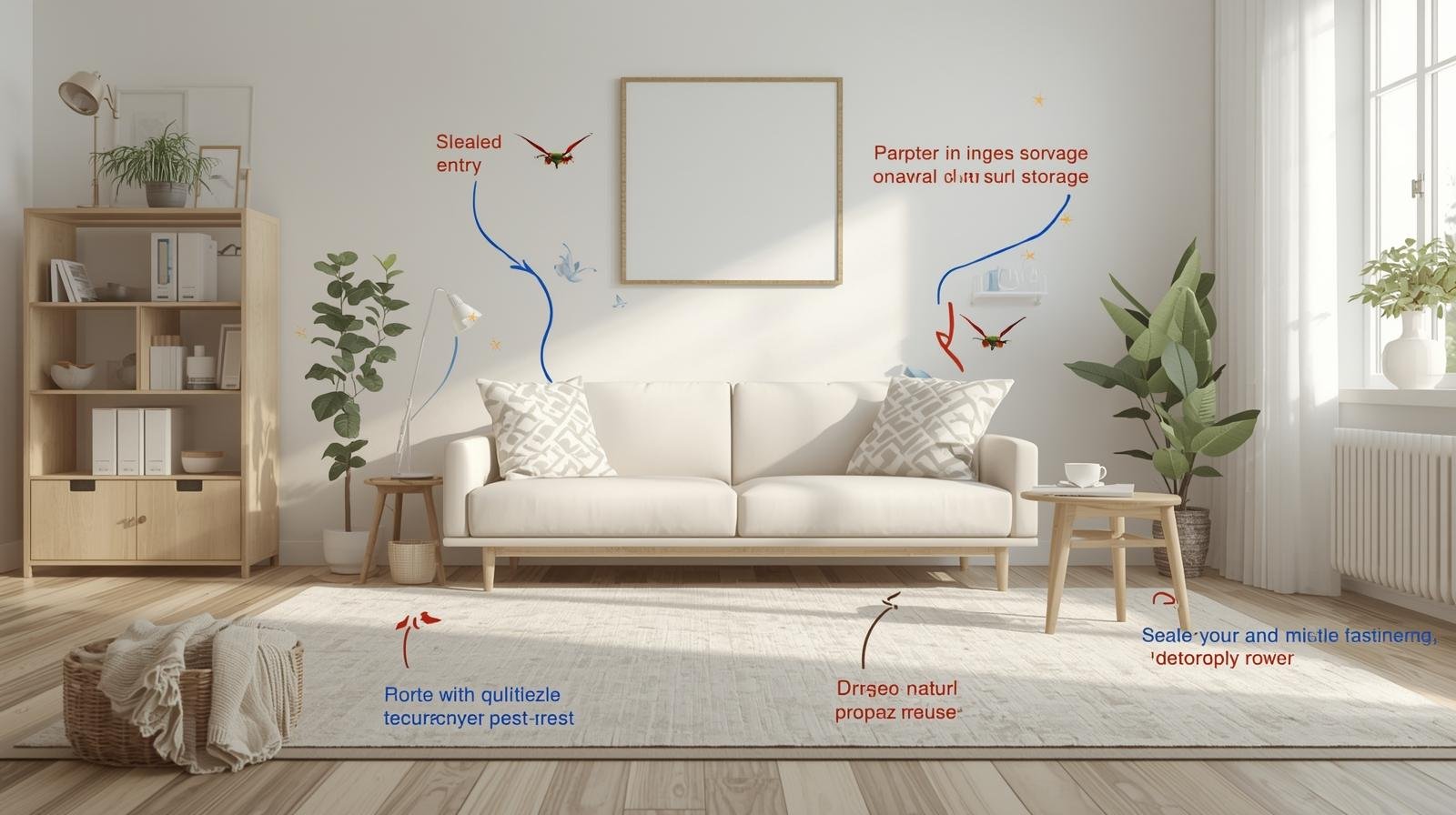
Keeping your home pest-free isn’t just about comfort it’s about health, safety, and peace of mind. Whether you live in a freestanding house, a townhouse, or an apartment, the reality is the same: pests will always look for the easiest entry point and the most welcoming environment. That might mean a warm kitchen, a dripping tap, or even a cluttered garage.
But the good news? You don’t have to live with them. A few intentional habits, simple fixes, and smart preventive strategies can make a huge difference in keeping your home protected year-round.
Below, we’ll walk through practical and easy-to-understand steps you can apply right away, along with real examples from everyday life and different industries that also rely on pest prevention. Think of it as a friendly guide to safeguarding your living space minus the complicated jargon.
Understanding Why Pests Choose Your Home
Most pests enter a home for three reasons: food, water, or shelter. When you understand which of these your home is accidentally providing, it becomes easier to control or eliminate the issue.
For example, restaurants in the hospitality industry constantly battle ants, cockroaches, and rodents because food-preparation areas offer all three: crumbs, moisture, and warmth. To prevent this, kitchens are cleaned throughout the day, trash bins are sealed tightly, and food is stored in airtight containers.
Homes can follow the same logic.
Moisture Is a Magnet
A dripping tap, a leaky air-conditioning unit, or even a damp towel left inside a laundry basket can attract pests. Many insects, such as silverfish and cockroaches, thrive in humid environments.
Clutter Creates Hiding Spots
Old magazines, cardboard boxes, and unused shelves in the garage or storage room make ideal hiding places for spiders, roaches, and even mice. Offices and warehouses use strict storage guidelines for this very reason.
Food Left Out Sends Invitations
This isn’t just about dirty dishes. Even pet food left in a bowl overnight can attract ants or cockroaches inside. Supermarkets, for instance, rotate stock and seal food for the same reason exposed items invite trouble.
Simple, Everyday Habits That Make a Big Difference
Keeping pests out doesn’t have to mean expensive services or complicated chemicals. Small daily actions can dramatically reduce the chances of an infestation.
1. Keep Surfaces Clean and Dry
Wiping kitchen benches after preparing food, emptying the toaster crumb tray, and cleaning up spills immediately can keep ants away. Moisture should also be minimised use the exhaust fan in the bathroom, air out damp mats, and fix leaks promptly.
2. Store Food Properly
Use sealed containers for snacks, cereals, rice, and pet kibble. This practice is standard in childcare centres, where food safety is non-negotiable. Even fruit bowls should be monitored overripe fruit can attract fruit flies overnight.
3. Declutter High-Risk Zones
Areas like garages, cupboards, and attics are hotspots for pests that prefer darkness and quiet. You don’t need to throw everything away just keep items stored neatly in airtight plastic bins instead of cardboard boxes.
4. Seal Entry Points
Even tiny cracks in walls, windows, and doors can become entry points for ants and spiders. Weatherstripping around exterior doors is a simple fix. Construction sites often use heavy-duty sealing methods for this exact reason: once pests get in, they’re much harder to remove.
5. Take Out Rubbish Regularly
Full trash bins attract all kinds of pests, especially flies and cockroaches. Offices follow strict waste disposal rules to avoid infestations and applying the same consistency at home, especially in the kitchen, can make a big difference.
When DIY Isn’t Enough: Knowing When to Call a Professional
While home remedies and preventive steps are fantastic for maintenance, there are times when professional intervention becomes necessary. This is especially true when:
- You notice multiple pests appearing regularly.
- There are signs of rodents (droppings, scratching noises, chewed wires)
- You can’t locate the source of an infestation.
- Bites or allergic reactions become common.
- The problem keeps recurring despite cleaning and prevention measures.
Many homes, especially older properties with ageing foundations or multiple entry gaps, benefit from a detailed inspection. Some pests, like termites, can cause structural damage long before you see signs. Termites have been known to destroy wooden beams, flooring, and even furniture another reason why industries like agriculture and construction pay close attention to pest management.
In the middle to later part of your pest prevention journey, you might also explore more specialised support, such as pest control for North Melbourne homes, to help ensure your living space stays protected long-term.
Understanding the Bigger Picture: Pest Control Is Linked to Health and Safety
Pest control isn’t just about convenience; it’s also linked to public health. For example, rodents can spread diseases, cockroaches can trigger asthma in children, and mosquitoes are known carriers of viruses. Many pests also contaminate food, which is why food safety standards emphasise proper sanitation and regular inspections in commercial settings.
Homeowners can benefit from adopting a similar mindset. Instead of reacting only when pests appear, the goal is to prevent them before they become a problem. This mirrors what many industries already practice proactive protection instead of constant cleanup.
Even the history of public health includes references to pest management’s role in preventing disease outbreaks. That’s why modern pest control emphasises prevention, sanitation, and long-term planning rather than simply eliminating the pests you see.
Practical Preventive Steps for Every Homeowner
Here’s a quick summary of the most effective ways to keep your living space safe and pest-free:
1. Maintain Cleanliness
Clean surfaces daily, avoid leaving food exposed, and remove rubbish before it piles up.
2. Reduce Moisture
Fix leaks, improve ventilation, and avoid leaving damp items in closed rooms.
3. Close Entry Points
Seal cracks, install door sweeps, and repair worn-out screens.
4. Store Food and Items Properly
Use sealed containers for food and sturdy bins for storage items.
5. Declutter Regularly
Keep storage areas organised and limit hiding spaces.
6. Schedule Occasional Inspections
Even without visible pests, seasonal inspections can identify risks early.
Creating a Home Environment Pests Avoid
A pest-free home feels lighter, cleaner, and more relaxing. Small, consistent habits combined with occasional professional guidance can help create a long-term barrier that keeps pests out for good.
Whether you’re dealing with ants in the kitchen, spiders in the garage, or rodents sneaking around the backyard, prevention will always be your strongest tool.
With these practical strategies in place, you’re not just reacting to pests you’re staying one step ahead. And that’s the best way to protect your home, your family, and your peace of mind.