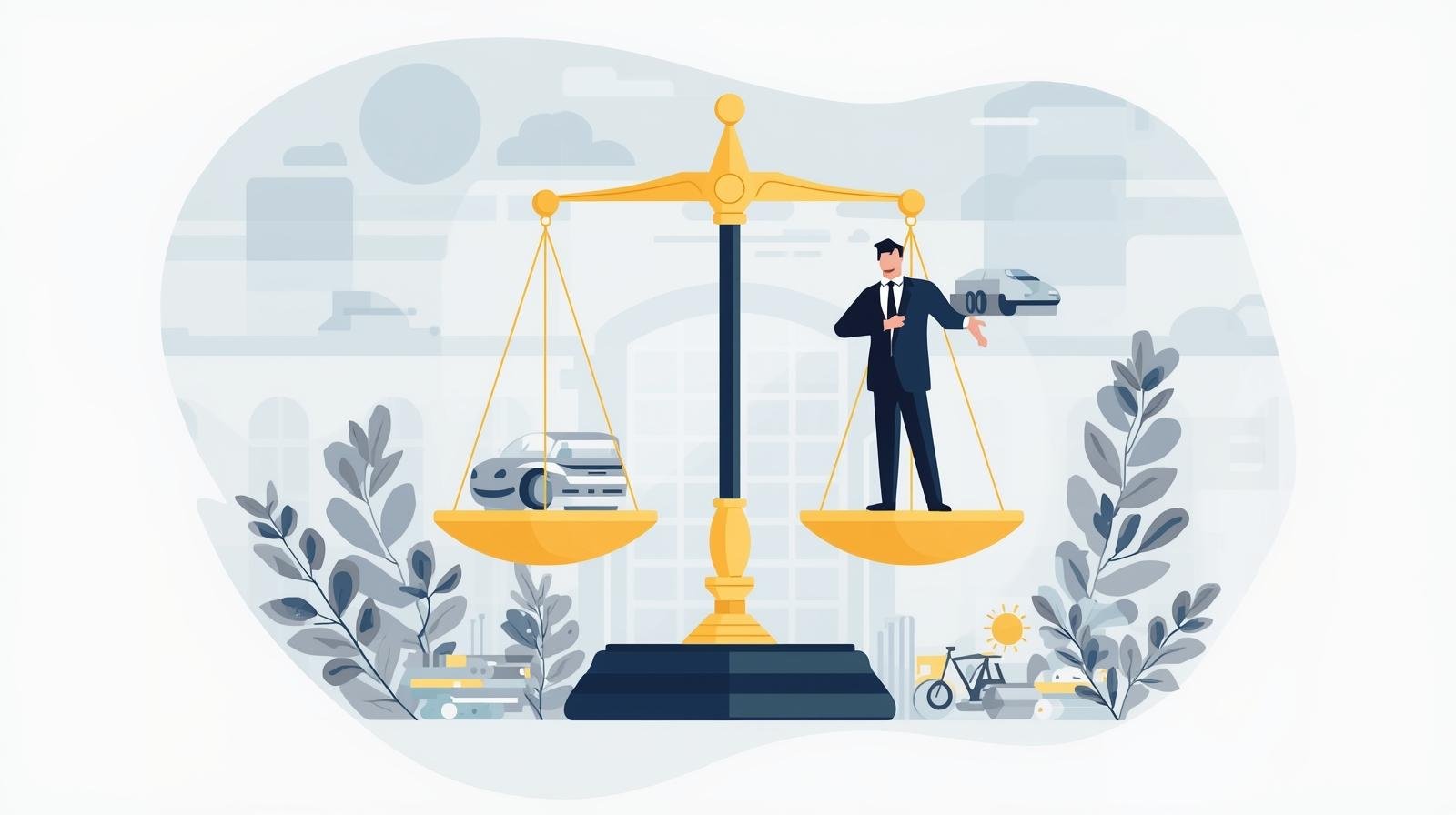
Accidents have a way of turning everyday life upside down. One moment you’re driving to work, shopping at a local store, or doing your job as usual. Next, you’re dealing with pain, medical appointments, time off work, and uncertainty about what comes next. Beyond the physical recovery, there’s often a quiet stress that lingers: How am I supposed to manage the costs and consequences of something I didn’t cause?
This is where personal injury law comes in. At its core, it exists to help people who have been injured by another person’s negligence seek fair compensation and regain stability. While the legal process can seem intimidating at first, understanding how it works often brings clarity and reassurance during an otherwise overwhelming time.
What Personal Injury Law Is Really About
Personal injury law focuses on situations where someone suffers harm because another party failed to act with reasonable care. This can include car accidents, workplace injuries, slips and falls, medical mistakes, or injuries caused by unsafe public spaces or defective products.
The purpose of this area of law isn’t to punish honest mistakes—it’s to restore balance. When an injury disrupts your ability to work, care for family, or live comfortably, compensation helps cover medical expenses, lost income, rehabilitation costs, and other related impacts.
This principle exists across many industries. In construction, safety regulations protect workers from preventable harm. In aviation, strict standards ensure passenger safety. When those standards fail, accountability follows. Personal injury law applies the same logic to everyday life: responsibility matters when actions—or inactions—cause harm.
To understand the foundation of this system, it helps to know how personal injury law protects people who are injured through no fault of their own.
How the Legal Process Supports Recovery, Not Conflict
A common misconception is that seeking compensation automatically means confrontation or court battles. In reality, many personal injury claims are resolved through structured discussions and negotiations rather than lengthy trials.
The process typically begins with gathering information—medical records, incident reports, witness statements, and evidence of financial loss. This information helps establish what happened and how the injury has affected your life.
From there, legal professionals help assess the value of a claim. This isn’t just about current medical bills. It includes future treatment, time away from work, reduced earning capacity, and the broader impact on daily living.
Think of it like insurance assessments after property damage. The goal isn’t conflict—it’s fair evaluation and restoration. Personal injury law works the same way, offering a framework to resolve issues calmly and methodically.
Why Timing and Evidence Matter After an Accident
After an accident, time often feels distorted. Recovery takes priority, and legal concerns can feel secondary. However, personal injury law relies heavily on timely information and accurate records.
Medical documentation, for example, helps connect the injury directly to the accident. Delays or gaps can make claims harder to support later. This doesn’t mean rushing into action—it means understanding what information matters and why.
In healthcare, early diagnosis improves outcomes. In finance, early intervention prevents compounding losses. In legal matters, early guidance helps protect your position and preserves options.
Seeking clarity early often reduces stress later, even if no immediate legal action is taken.
Compensation Reflects Real-World Impact, Not Just Numbers
One of the most misunderstood aspects of personal injury claims is what compensation actually represents. It’s not a windfall—it’s a way to address real consequences.
For example, someone injured in a workplace accident may be away from their job for weeks or months. A parent injured in a car accident may struggle with daily household responsibilities. Compensation acknowledges these disruptions and helps create breathing room during recovery.
This idea is mirrored in employee support programs across many industries. When workers are injured, systems exist to support recovery rather than force immediate return to work. Personal injury law extends that principle beyond the workplace, recognizing that injuries affect every part of life.
Why Legal Guidance Makes the Process Less Overwhelming
Trying to navigate a personal injury claim alone can feel like learning a new language under pressure. Forms, deadlines, and legal terms can quickly become confusing—especially when you’re focused on healing.
Legal guidance brings structure. Instead of guessing what to do next, you have someone explain options clearly, answer questions, and manage the process step by step. This support often makes the experience feel less intimidating and more manageable.
In project management or emergency planning, having a clear roadmap reduces anxiety and prevents mistakes. Personal injury law works best the same way—with guidance that keeps things organized and transparent.
Midway through understanding their rights and options, many people choose to explore further details and next steps via the visit link, especially when they want to better understand how compensation claims are handled in practice.
How Personal Injury Law Encourages Safer Standards
Beyond helping individuals, personal injury law plays a broader role in promoting safety. When unsafe practices lead to legal accountability, industries are encouraged to improve standards.
This is evident in sectors such as manufacturing, where product liability claims have led to safer designs, and in public infrastructure, where injury claims have prompted better maintenance and signage. The law doesn’t just respond to harm—it helps prevent it from happening again.
By holding responsible parties accountable, personal injury law contributes to safer environments for everyone.
What Seeking Compensation Is—and Isn’t
It’s important to understand what seeking compensation does not mean. It doesn’t mean you’re being unreasonable. It doesn’t mean you’re trying to take advantage of a situation. And it doesn’t mean recovery becomes purely about money.
Instead, it means recognizing that injuries have costs—and that those costs shouldn’t fall entirely on the injured person when the harm wasn’t their fault.
This mindset aligns with how societies handle responsibility across many systems. When a company causes environmental damage, cleanup costs are assigned appropriately. When negligence causes injury, compensation helps restore what was lost.
Moving Forward With Confidence
Accidents can leave people feeling powerless, especially when the path forward feels unclear. Personal injury law exists to provide structure, fairness, and support during those moments.
Understanding how the process works—and why it exists—helps people make informed decisions rather than reactive ones. Whether a claim moves forward or not, having clarity brings peace of mind.
Final Thoughts: Support That Helps You Rebuild
Personal injury law isn’t about dwelling on the past—it’s about creating stability for the future. It helps people recover not just physically but also financially and emotionally by addressing the real impact of an accident.
When life is disrupted unexpectedly, having a system designed to support fairness makes a meaningful difference. With the right guidance and understanding, seeking compensation becomes less about legal complexity and more about moving forward with confidence and care.