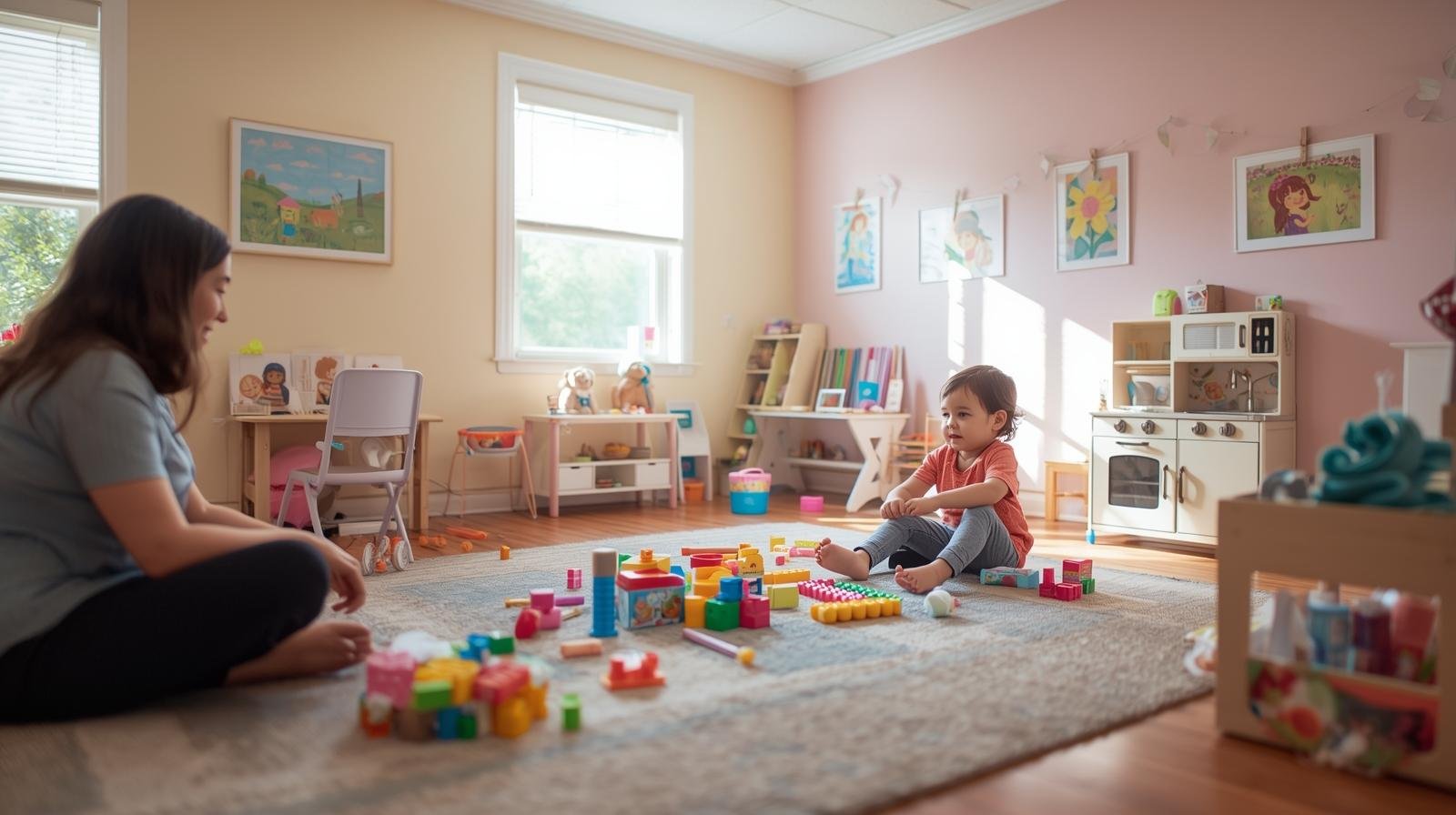
A child’s play therapy center is a safe and supportive place where children can express their emotions, explore their thoughts, and understand their feelings through play. Many kids struggle to communicate with words, but they naturally communicate through toys, drawings, and imaginative games. These centers use trained therapists who understand how to guide a child’s play in a way that helps them heal, learn, and grow. Parents often choose play therapy when their child faces stress, anxiety, sadness, behavioral changes, or challenges at school or home. The warm environment and gentle approach make these centers effective for children of different ages.
What Happens Inside a Play Therapy Center
A child’s play therapy center is designed to feel calm and welcoming. When children enter, they see shelves full of toys, art supplies, puppets, sand trays, and miniature figures. Each item is chosen with purpose because it helps children express something they may not be able to say out loud. The therapy room is quiet, private, and arranged to help kids feel comfortable.
During a session, the therapist observes how a child interacts with the toys. Children often use play to show how they feel, even without speaking. For example, a child who feels worried may place toys carefully or avoid certain characters. A child who feels angry may knock down blocks or create loud scenes. The therapist watches these patterns and gently guides the session to help the child express feelings in a healthy way.
Some sessions involve storytelling, where the child creates a story using figures or drawings. These stories often reveal emotions, fears, or thoughts hidden inside. Through play, children can explore their world safely, without pressure or judgment.
Why Play Therapy Helps Children
Play therapy works because it matches the natural way children understand life. Kids don’t always have the words to explain sadness, anger, confusion, or fear. Through play, they can show what is going on inside them. A child’s play therapy center gives them the tools and space to do this.
Play therapy helps children learn to manage emotions. When they act out their feelings with toys, they slowly learn how to calm themselves and express emotions safely. It also builds confidence. A child who completes a puzzle, finishes a drawing, or tells a complete story feels proud and more in control.
Another benefit is that it improves communication. As sessions continue, many kids begin to talk more openly. They find it easier to trust the therapist and share their thoughts. Over time, this helps them communicate better with parents, teachers, and friends.
Play therapy is especially helpful for children who have experienced major changes or challenges such as moving to a new home, the arrival of a new sibling, family problems, bullying, or school pressure. It is also helpful for children who are shy, withdrawn, easily upset, or overwhelmed by emotions.
The Role of Parents in Play Therapy
Parents are an important part of a child’s play therapy process. A child’s play therapy center often includes sessions where the therapist meets with parents to discuss progress and understand the child’s environment better. These conversations help parents learn how to support their child at home.
Sometimes, the therapist may invite parents into the play sessions so they can observe or participate in a gentle way. This helps strengthen the bond between parent and child. Therapists also give guidance on how parents can respond to different behaviors and how to communicate more effectively with their child.
Parents do not need to interpret the play themselves. The therapist is trained to understand what the child is expressing. Parents simply need to be patient, encouraging, and supportive throughout the process.
What to Expect During a Therapy Session
Each session usually lasts around 30 to 50 minutes. Younger children may need more breaks, while older children may stay focused for longer. The therapist allows the child to choose toys freely because free play reveals emotions and thoughts naturally.
Some toys commonly found in a child’s play therapy center include:
- Dolls and action figures
- Puppets
- Art supplies like crayons, markers, and clay
- Sand trays with small items
- Building blocks
- Toy houses and cars
- Costumes for pretend play
The therapist may sometimes introduce a small activity or game that helps guide the child toward expressing or understanding a specific feeling. However, the child still leads most of the session. This freedom helps build trust and gives the child a sense of control.
Most children begin to show changes after several sessions, but the pace is different for each child. The therapist will guide parents on how often sessions are needed and how long the process may take.
Final thoughts
A child’s play therapy center provides a gentle and supportive environment where children can understand their emotions through natural play. It is a place where worries become easier to express and feelings become easier to manage. Through toys, storytelling, and creative activities, children learn to communicate, cope, and grow. Therapists help guide their emotional journey while parents stay involved and supported. For many families, play therapy brings healing, confidence, and stronger connections.
FAQ
1. Who benefits from a child’s play therapy center?
Children dealing with stress, anxiety, big changes, or emotional challenges benefit most from play therapy.
2. How long does play therapy usually take?
It varies; some children improve in weeks, while others may need longer sessions depending on their needs.
3. Do parents join the therapy sessions?
Sometimes. Therapists decide when parent involvement will be helpful and supportive.
child’s play therapy center