Connect with us

Sports

Popular NPC in a Gender-Reversed Game Understanding the Concept and Appeal

Published

on

popular NPC in a gender-reversed game

The term popular NPC in a gender-reversed game might sound like something only gamers understand, but it’s becoming a trending topic in the gaming world. These games flip traditional gender roles, and NPCs (non-playable characters) often gain huge popularity because of their unique personalities, interactions, and designs. Let’s explore why these characters are so beloved and how gender-reversed games are changing the way people see storytelling in gaming.

What is a Gender-Reversed Game?

A gender-reversed game is one where traditional gender roles are swapped. This could mean the hero is female instead of male, or the usual “princess in need” is now a prince who needs saving. It could also mean social dynamics and expectations are flipped — for example, men might play passive roles while women take the lead in combat, strategy, and leadership.

The core idea behind these games is to challenge the usual norms we see in many storylines. In traditional games, men often dominate as heroes, leaders, and fighters, while women are side characters or love interests. Gender-reversed games turn this idea on its head, giving players a fresh perspective.

Players are drawn to these games not just because of the novelty, but because they allow for new storylines and character relationships. They also offer a chance to see how familiar game plots change when the gender roles are reversed.

Why Popular NPCs Stand Out in These Games

NPCs are characters controlled by the game rather than the player. In gender-reversed games, NPCs can become extremely popular because they break away from the stereotypes seen in traditional games.

For example, in a regular fantasy game, a female NPC might be portrayed as a healer or support character. In a gender-reversed game, she might be the main military commander, giving orders and showing tactical brilliance. Similarly, a male NPC might take on roles that are usually associated with female characters, such as being the caretaker, emotional support, or even the one rescued by the player.

These role reversals make NPCs memorable and relatable. They often have deeper personalities, well-written dialogue, and striking visual designs. When a game’s NPC has a strong emotional impact, fans create artwork, fanfiction, and even social media pages dedicated to them.

Examples of Popular NPC Types in Gender-Reversed Games

Different types of NPCs become popular depending on the game’s story and setting. Some common examples include:

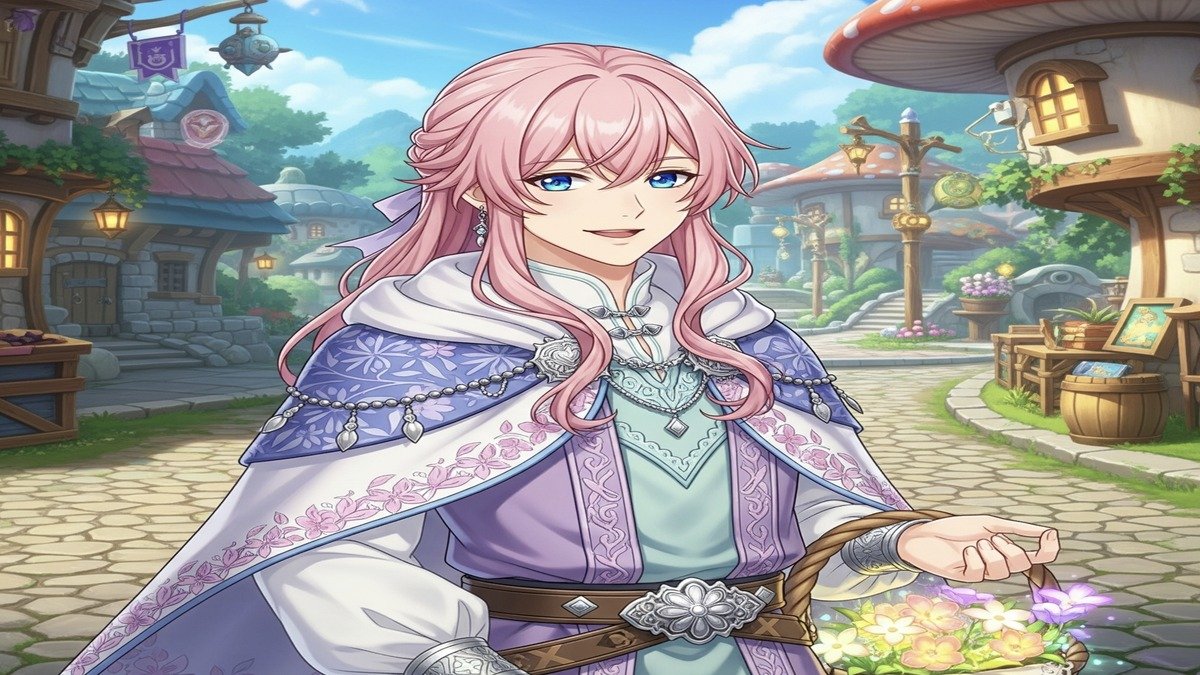
  • The Gentle Prince – A male NPC who is kind-hearted, graceful, and vulnerable, offering emotional support to the main female lead.
  • The Fierce Commander – A female NPC who leads armies, plans battles, and commands respect from everyone.
  • The Caring Guardian – A male NPC who plays the role of protector, often sacrificing himself for the main characters.
  • The Ambitious Queen – A female NPC who uses intelligence and power to shape the game’s world and politics.

These roles feel fresh because they go against the expectations players have built from years of traditional game narratives.

The Emotional Connection Players Build with NPCs

One reason a popular NPC in a gender-reversed game becomes so beloved is the emotional connection. When characters are written with depth and personality, players can relate to them, feel empathy for their struggles, and celebrate their victories.

Some NPCs have touching backstories that explain why they act the way they do. Others have funny or charming personalities that make them stand out during dialogue scenes. A well-designed NPC doesn’t just fill space in the game — they make the player’s journey more meaningful.

This emotional attachment is why many players remember NPCs even after finishing the game. It’s also why some games release special events or expansions focusing on these characters to satisfy fan demand.

How Gender-Reversed Games Are Shaping the Future of NPC Design

Game developers are noticing the growing popularity of gender-reversed storytelling. Many studios are experimenting with swapping roles, giving male characters emotional vulnerability and female characters strategic power.

NPC design in these games is evolving to be more balanced and complex. Developers are investing more time in creating NPCs that feel like real people with strengths, weaknesses, and evolving personalities. This trend could lead to more diverse and inclusive games, where players get to experience stories from perspectives they might never have considered before.

It’s likely that we will see even more games with role-swapped worlds and NPCs that break away from clichés. This isn’t just a passing trend — it’s a sign of changing expectations in the gaming community.

Key takeaways

The idea of a popular NPC in a gender-reversed game isn’t just about flipping roles for fun — it’s about creating richer, more interesting characters and stories. These games allow players to explore new perspectives, challenge stereotypes, and form deeper connections with NPCs that feel authentic and inspiring.

By giving NPCs unique roles, developers are not only making them more memorable but also encouraging diversity in game storytelling. This is a creative shift that could shape the future of gaming for years to come.

Read Next: walter white quotes

Continue Reading

Trending