Connect with us

Education

Special Education Teacher: Understanding Their Role and Importance

Published

on

Special Education Teacher

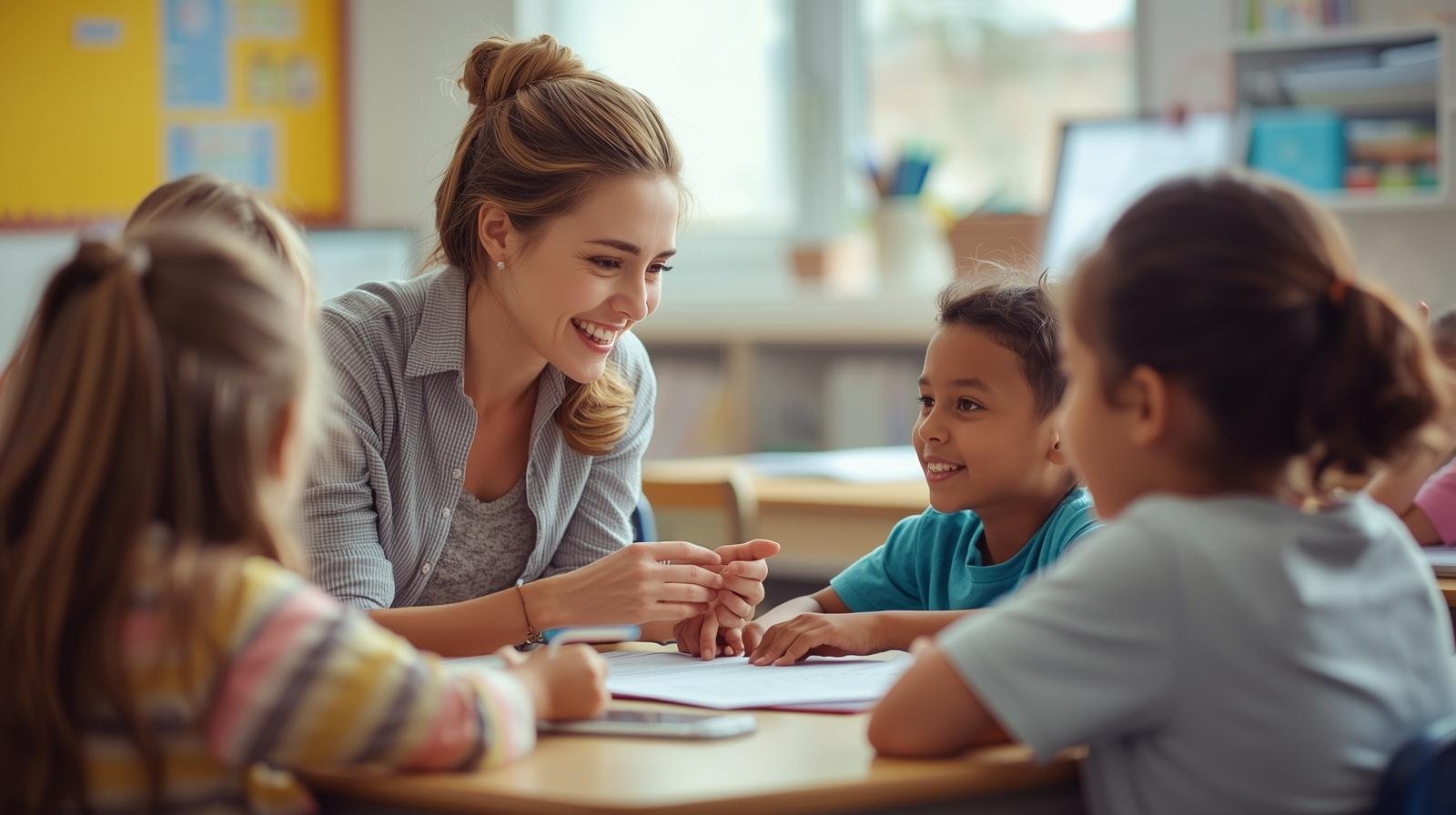
A special education teacher plays one of the most important roles in the school system. These teachers work with students who have different learning needs, disabilities, or challenges that require extra support. Their goal is simple: help every child learn in the way that suits them best. Special education teachers give time, patience, and care to make sure students feel confident and capable. In this article, we will look at what they do, how they work, and why they are such an essential part of education today.

What Special Education Teachers Do

Special education teachers help students who need additional assistance in school. These students may have learning disabilities, emotional challenges, physical difficulties, or developmental delays. Because every student is different, the teacher creates an Individualized Education Program (IEP) for each child. This plan explains the student’s goals, strengths, challenges, and the steps needed for improvement.

Special education teachers spend time understanding each child’s learning style. Some students learn better visually, while others need hands-on activities. These teachers adjust lessons, simplify instructions, give extra explanations, and use creative methods so the student can understand better.

Another big part of their job is communication. They work closely with parents, school counselors, therapists, and regular classroom teachers. This teamwork helps ensure that students receive support in every area academic, emotional, and social.

Skills That Make a Great Special Education Teacher

Being a special education teacher requires more than just knowledge of school subjects. It needs a special combination of skills, patience, and commitment. One of the most important qualities is empathy. These teachers understand the frustrations and fears students might feel. They listen carefully and encourage them to keep trying.

Patience is another key skill. Some students may need extra time to understand a topic, and some may get easily frustrated. A special education teacher stays calm and positive, helping students progress step by step.

Creativity is also essential. These teachers often design unique activities that make learning fun and easier. For example, a teacher might use pictures, games, songs, or movement-based activities to help a student understand a lesson more clearly.

Communication skills are equally important. Teachers need to talk with parents regularly, give updates on progress, and suggest ways families can support learning at home. They also work with school teams to adjust the student’s learning plan when needed.

A Day in the Life of a Special Education Teacher

A special education teacher’s day is full of variety. They usually begin by reviewing lesson plans and checking each student’s goals. Throughout the day, they may work with students individually or in small groups, depending on what each child needs.

Teachers often move between classrooms, helping students participate in regular lessons. For example, if a student struggles with reading, the special education teacher may sit with them during English class to give additional support. They may also have dedicated periods where students come to a resource room for more focused learning.

Another important part of the day is tracking progress. Teachers observe how students respond to lessons, take notes, and adjust future plans. They may also meet with other teachers, therapists, or parents to discuss the student’s development.

Although their day can be busy, many special education teachers say the best part of their job is watching students achieve their goals. Even small improvements like reading a new word or solving a simple problem can feel like a big success.

Why Special Education Teachers Are Important

Special education teachers make a difference not only in schools but also in society. They help children who might otherwise fall behind gain confidence and independence. When a student learns to read, write, communicate, or solve problems, they gain skills that help them throughout life.

These teachers also promote inclusivity. They help schools create environments where every child no matter their ability level feels welcomed and valued. This helps other students learn compassion, understanding, and respect.

Families of children with special needs often rely heavily on these teachers. They offer guidance, support, and reassurance. Many parents say that special education teachers not only help their children academically but also bring hope and comfort during difficult times.

Final Thoughts

A special education teacher plays a powerful and meaningful role in shaping the future of students with diverse learning needs. Their dedication, creativity, and patience help children grow academically, emotionally, and socially. By providing individualized support and working closely with families and schools, they ensure that every child has the chance to learn with confidence. These teachers bring strength to classrooms and hope to families, making them an essential part of any education system.

Continue Reading

Trending